
Unlocking Your Garage’s Potential: A Beginner’s Guide to Essential Automotive Care
Ever wish you could confidently tackle basic car maintenance instead of dreading every check engine light? This guide empowers beginners to understand and perform essential automotive care, saving money and boosting your vehicle’s longevity. We’ll demystify common tasks and equip you with the knowledge to keep your ride running smoothly.
Beyond the Dipstick: Performing a Proper Oil Change
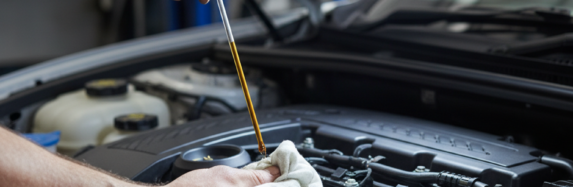
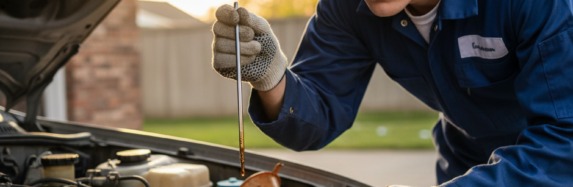
An oil change is fundamental to engine health. You’ll need a socket wrench set, an oil filter wrench (typically 65-67mm for many common filters), a drain pan, and new oil and filter (consult your owner’s manual for the correct viscosity and filter type, e.g., 5W-30 synthetic). Always work on a cool engine and refer to your manual for the drain plug torque specification, usually around 25 ft-lbs. Safety first: use jack stands, not just a jack.
Battery Basics: Keeping Your Car Charged and Ready
A dead battery is avoidable. Learn to check terminals for corrosion (white, powdery buildup requires cleaning with a wire brush and baking soda solution), test battery voltage with a multimeter (a healthy battery should read 12.6V or above), and understand jump-starting procedures. Knowing your battery’s CCA (Cold Cranking Amps) specification, found on the battery label, helps determine its power output, especially in cold weather.
Tire Tales: Pressure, Rotation, and Puncture Prevention
Proper tire pressure is crucial for safety and fuel efficiency. Check your tire pressure weekly using a reliable gauge, ensuring it matches the psi recommendations on your car’s door jamb sticker (not the tire sidewall). Regular tire rotations (every 5,000-7,500 miles) prolong tire life by ensuring even wear. Understand how to inspect for tread wear and identify potential punctures, which can often be temporarily sealed with a tire repair kit until professional repair.
Brake Know-How: Recognizing Warning Signs Early
Your brakes are vital. Pay attention to squealing, grinding, or a “spongy” pedal, which are all signs of trouble. Regularly inspect your brake pads – most have wear indicators, and if the pad material is thinner than 3mm, replacement is due. Remember, brake fluid is hygroscopic (absorbs moisture), so flushing it every 2-3 years is a recommended maintenance practice, often overlooked.