
Beyond the Basics: Essential Car Care for Extended Vehicle Life
Keeping your car running smoothly and reliably doesn’t require a mechanic’s certificate. This guide empowers everyday drivers with practical DIY maintenance tips that extend your vehicle’s lifespan and save you money in the long run. Learn simple yet crucial checks and tasks that keep your ride in top condition.
Checking Your Fluids: The Lifeblood of Your Engine
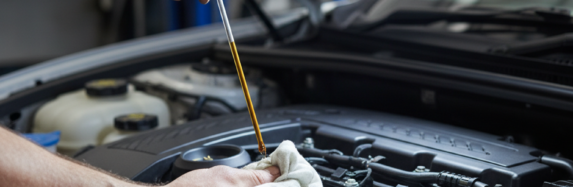
Regular fluid checks are paramount. Begin with your engine oil: locate the dipstick, pull it out, wipe it clean, reinsert it fully, then pull it out again to check the level. It should be between the “min” and “max” marks. This should be done when the engine is cool. Also, inspect brake fluid and coolant levels. Low levels can indicate leaks or wear, signaling a need for further investigation.
Tire Health: Grip, Safety, and Fuel Economy
Your tires are your car’s only contact with the road, making their condition vital. Use a tire pressure gauge to check all four tires, including the spare, against the recommended PSI (Pounds per Square Inch) found on your driver’s side door jamb or in your owner’s manual. Underinflated tires (e.g., 28 PSI instead of the recommended 32 PSI) lead to poor handling and increased fuel consumption. Also, check tread depth using a penny: if Lincoln’s head is visible, it’s time for new tires.
Battery Maintenance: Powering Your Drive
A dead battery is a common inconvenience. Periodically inspect your car battery terminals for corrosion (a white, fluffy substance). You can clean this with a wire brush and a mixture of baking soda and water. Ensure terminal connections are tight. A fully charged car battery typically reads around 12.6 volts; anything significantly lower might indicate a failing battery or charging system issue.